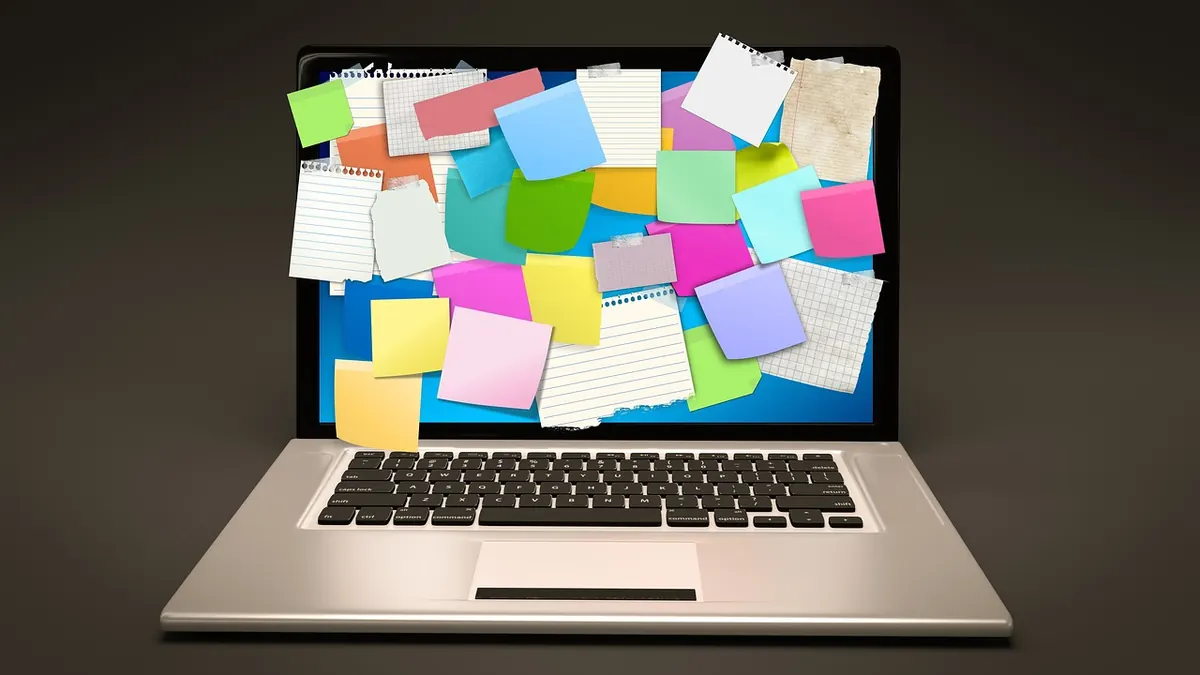
How to Build a Home Mail Station That Ends Paper Pileups for Good
Every home has one: the spot where mail goes to die. A stack on the entryway table. A grocery bag of envelopes behind a chair. The corner of the kitchen counter nobody wants to touch. The problem is rarely that you don't care about paper. It's that there's no fixed place for it to land, so every bill, invitation, and insurance notice floats until it becomes a pile you avoid. A mail station fixes that. Not a filing system, not a binder project — just a small, deliberate setup where paper gets decided on and moved along.
Start With Where the Mail Actually Lands
Before you buy a single tray, watch yourself for two days. Where do you drop the mail when you walk in? Where does it sit when you finally open it? Those are usually two different places, and the station should live at the second one.
If you open mail standing in the kitchen, put the station in the kitchen. If you carry the stack upstairs and deal with it at your desk, build it at the desk. A tidy station in the wrong room is just a nicer-looking pile.
You need three things from the location: a surface roughly the size of a sheet of paper plus a few inches on each side, a wall outlet nearby if you plan to keep a shredder there, and standing or seated height that doesn't require bending. An entryway console, a narrow bench with a flat top, the corner of a home-office desk, or a small rolling cart all work.
The Three Zones: Sort, Shred, Send
Mail stations fail when they try to do everything. Yours only needs to handle three jobs, and each one gets its own physical spot. Keep the zones separate so your hands know where to go without thinking.
- Sort: two or three shallow letter trays or wall-mounted files, labeled clearly.
- Shred: a compact cross-cut shredder on or under the surface, or a lidded shred bin if you shred in batches elsewhere.
- Send: a roll of stamps, a stack of envelopes in the size you use most, return-address labels, a working pen, and one outgoing tray or clip.
Add a small recycling bin that lifts out easily, and a letter opener or pair of scissors that lives in the cup with the pens. That's the whole kit. You don't need a label maker, a color-coded folder tower, or a laminator.
Make the Sort Zone Do the Deciding
Open every envelope over the recycling bin. This one habit eliminates most of the paper in your house, because roughly half of what arrives is a return envelope, an insert, or a wrapper you never needed.
Then give each piece exactly one of three outcomes:
- Act: it needs a payment, signature, phone call, or reply. Goes in the "Action" tray.
- Keep: it's a document you'd need to find later. Goes in a single "To File" folder.
- Lose: it's junk, or it's already handled. Recycle or shred immediately.
Notice there's no "read later" pile. That's the pile that eats your countertop. If a magazine or newsletter matters, give it one home — a basket by the couch — and toss the rest of the issue when the next one arrives.
Use a two-minute rule for the Action tray: if a task takes less than two minutes, do it while you're standing there. Pay the bill online. Sign the permission slip. Text back the RSVP. The tray should only hold things that genuinely need a longer sitting.
Build a Shred Zone You'll Actually Use
Shredding stalls when the shredder is in the basement or the garage. Put it where the paper is. Even a small cross-cut unit handles a week's worth of statements in a few minutes.
Shred anything with an account number, a signature, or personal identifiers you wouldn't want found: pre-approved credit offers, voided checks, expired cards, insurance explanations of benefit you've already reconciled, and statements you've replaced with digital copies. Keep documents that support your taxes, your insurance claims, warranties, and anything related to a property or legal matter. How long to keep specific records depends on your situation, so check with an accountant or financial advisor rather than guessing.
Empty the shredder when it's about two-thirds full, not when it jams. If you know you'll never shred weekly, use a shred bin instead: collect it, and take the bag to a free shredding event or a shipping store once a month.
Friction Is Why Mail Never Gets Mailed
Stamps in a junk drawer are stamps you won't use. Keep a roll in a small dish right on the station, and restock when it gets low rather than when it's empty. The same goes for envelopes and address labels — having ten of each on hand turns a five-minute chore into a thirty-second one.
The outgoing spot matters most. It needs to be somewhere you pass on your way out the door, or better yet, visible from the doorway. A small tray on the console works. So does a clip hung on the outside of a coat closet, or a pocket on the bag you carry daily. The rule: once something is stamped and addressed, it goes there and nowhere else.
If you send cards or heavier envelopes, keep a few extra-ounce stamps too. Postal rates change, so buy at the counter or online rather than trying to remember the current number.
The Ten-Minute Weekly Reset
Pick a recurring moment — Sunday evening, Friday after work — and set a reminder. Then run the same five steps:
- Clear the Action tray: pay, sign, call, schedule.
- Shred the shred pile and empty the bin.
- File the "To File" folder into the year's folder or your main file.
- Check the outgoing tray. Anything still sitting there goes into your bag right now.
- Wipe the surface, restock stamps and envelopes, straighten the trays.
Ten minutes weekly beats three hours quarterly, and it keeps the station from becoming a storage unit.
Small-Space Variations That Work
Entryway console
The classic setup. Shredder underneath on a low shelf, trays on top, outgoing clip mounted on the wall above.
Closet door wall files
Two adhesive wall files on the inside of a coat closet door hold Action and To File. The shredder lives on the floor below when needed.
Desk corner
Stack two trays vertically, keep the shredder beside your chair, and hang a small clip on the desk's side for outgoing mail.
Rolling cart
A three-tier cart tucks beside a bookshelf and rolls out when you need it. Bottom tier: shred bin. Middle: files. Top: stamps, pens, outgoing tray.
Make It Boring and It Will Last
The best mail station is forgettable. It sits there, quietly holding three trays and a roll of stamps, and paper moves through it without drama. After a month, look at which tray is overflowing. That's your bottleneck, and it usually means one of three things: the shredder is too far away, the outgoing spot isn't in your path, or you're keeping paper you could read online. Switch a few recurring bills to paperless and the whole system gets lighter.
Adjust one thing, not everything. Within a few weeks, the pile on the counter stops forming — not because you became a more organized person, but because there's finally somewhere for the mail to go.
Photo: geralt / Pixabay

What Your Local Post Office Can Do That a Mailbox Can't
A mailbox only collects mail. The counter hand-cancels, certifies, rents PO boxes, and helps with money...
Paper Weight Explained: Choosing GSM and Texture for Handwritten Letters
A practical guide to paper GSM, caliper, finish, and bleed behaviour, so you can match the right sheet to...
About Us